Why water fountains are replacing the bowl
Moving water gets some cats to drink more than a still bowl ever does. Here's why that matters and how to tell if it will work for yours.
Cats descend from a desert animal that got most of its water from prey, not from drinking — which is part of why so many of them under-drink at the bowl. A bowl of still water sitting in a corner just isn't very interesting to an animal whose instinct says moving water is the water that's safe to drink.
A fountain doesn't fix a cat that refuses to drink out of principle, but for the ones who simply forget the bowl exists, the sound and movement is often enough to bring them back to it several times a day instead of once. More trips to the water source is the actual goal — it's one of the simplest ways to support urinary and kidney health over a cat's life, especially past middle age.
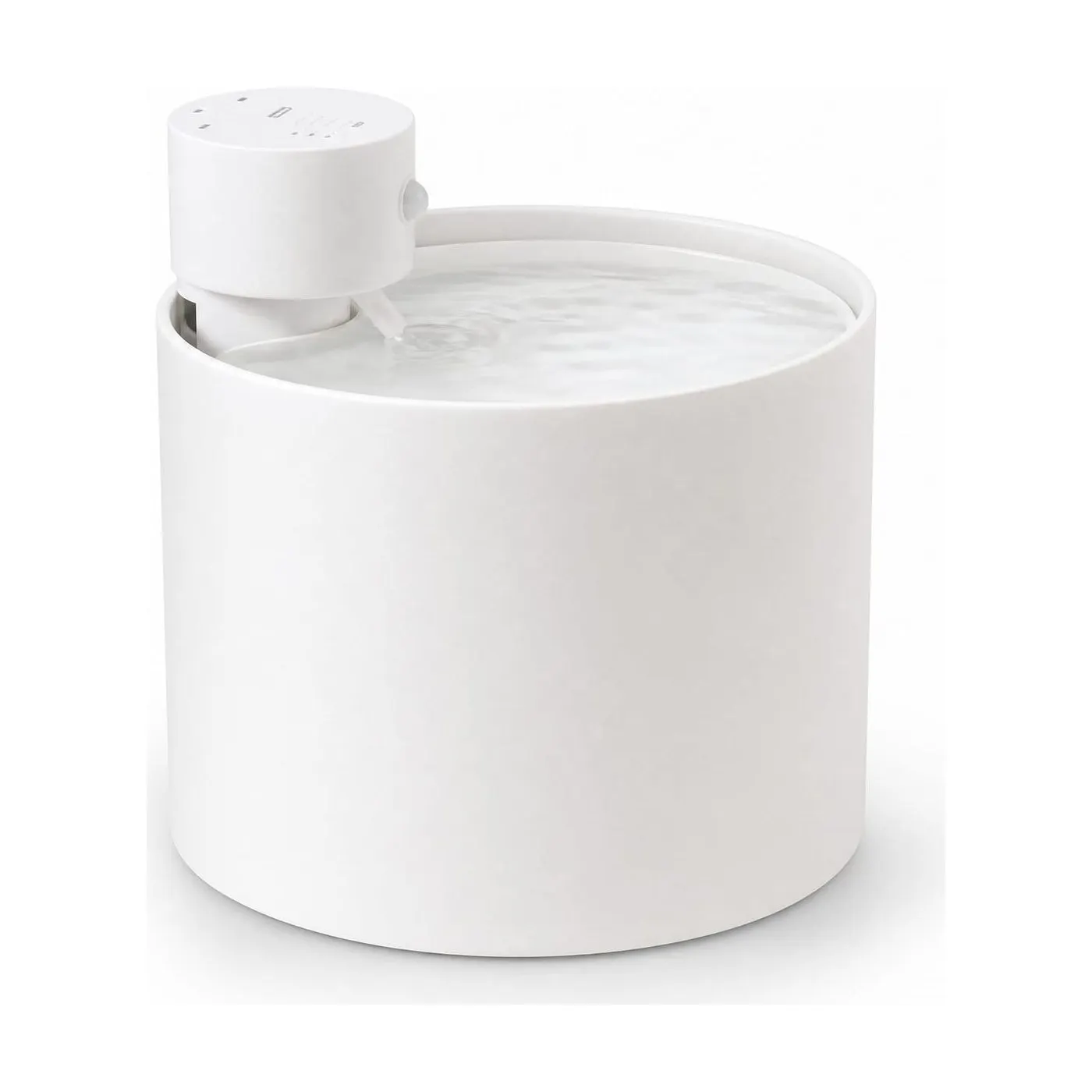
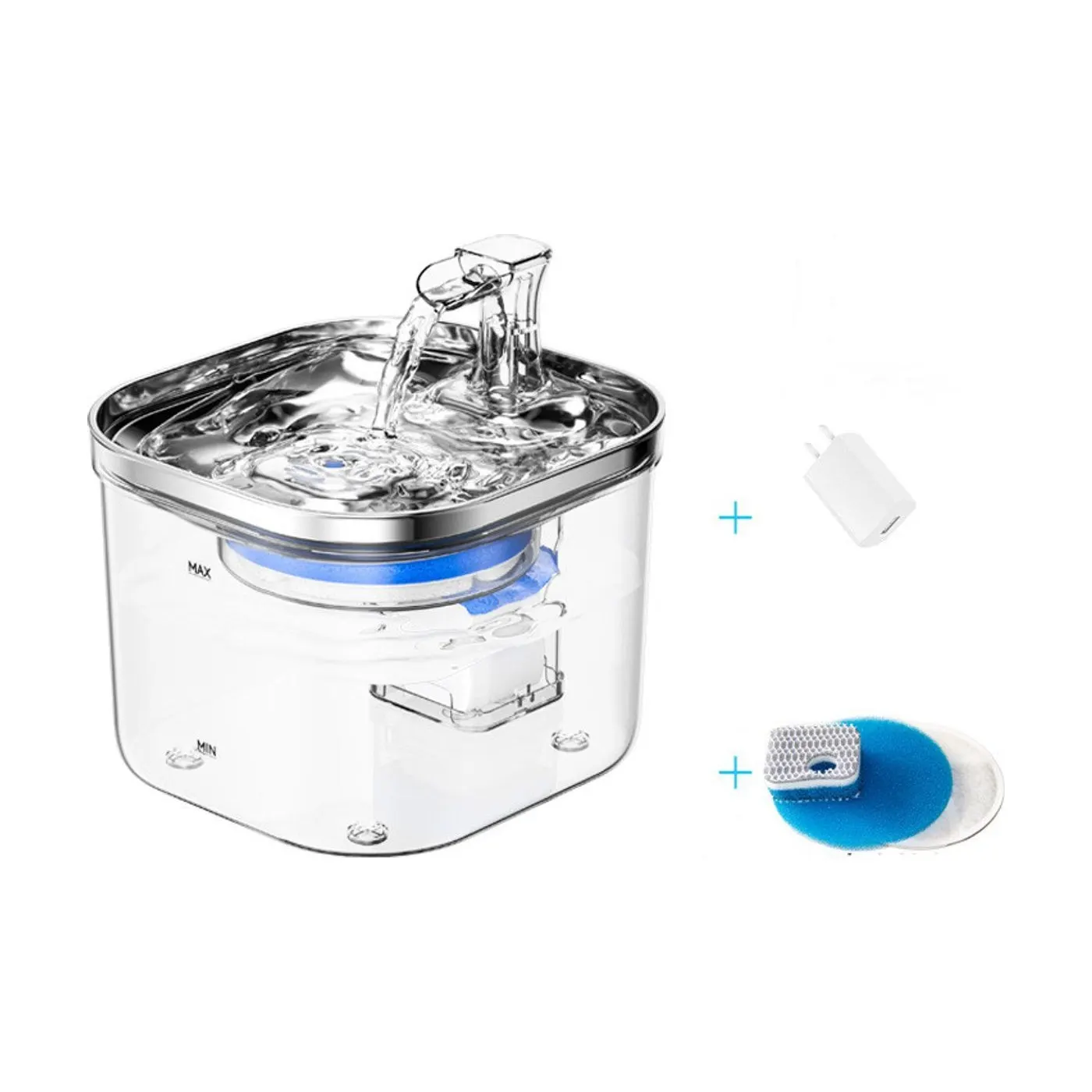
What actually matters when picking one: a reservoir big enough that you're not refilling daily, a pump quiet enough that it doesn't scare a nervous cat off on day one, and a filter you'll actually remember to change — a fountain nobody cleans is worse than a bowl. Ceramic and stainless steel avoid the chin acne that plastic bowls are known for, which is a real, common, and completely preventable problem.
If you're switching from a bowl, don't remove the bowl the same day. Run both side by side for a week or two. A cat that ignores the fountain entirely at first is not unusual — most come around once the pump noise stops being novel and starts being background.
Placement matters more than most people expect. Cats instinctively avoid drinking near where they eat — in the wild, food attracts bacteria that can contaminate a nearby water source, so the two are kept apart by instinct even when the bowl is right next to the food dish in a modern kitchen. Moving the fountain even a few feet from the food bowl, ideally to a separate room or a quiet corner, removes a barrier that has nothing to do with the fountain itself.
A fountain nobody maintains eventually becomes worse than the bowl it replaced. Rinse the reservoir every two to three days and swap the filter on the schedule the manufacturer gives, not "whenever it looks bad" — biofilm builds up on the inside of the tubing before it's visible on the filter, and that buildup is exactly the kind of thing a cat's nose picks up on long before a person would notice anything wrong with the water.
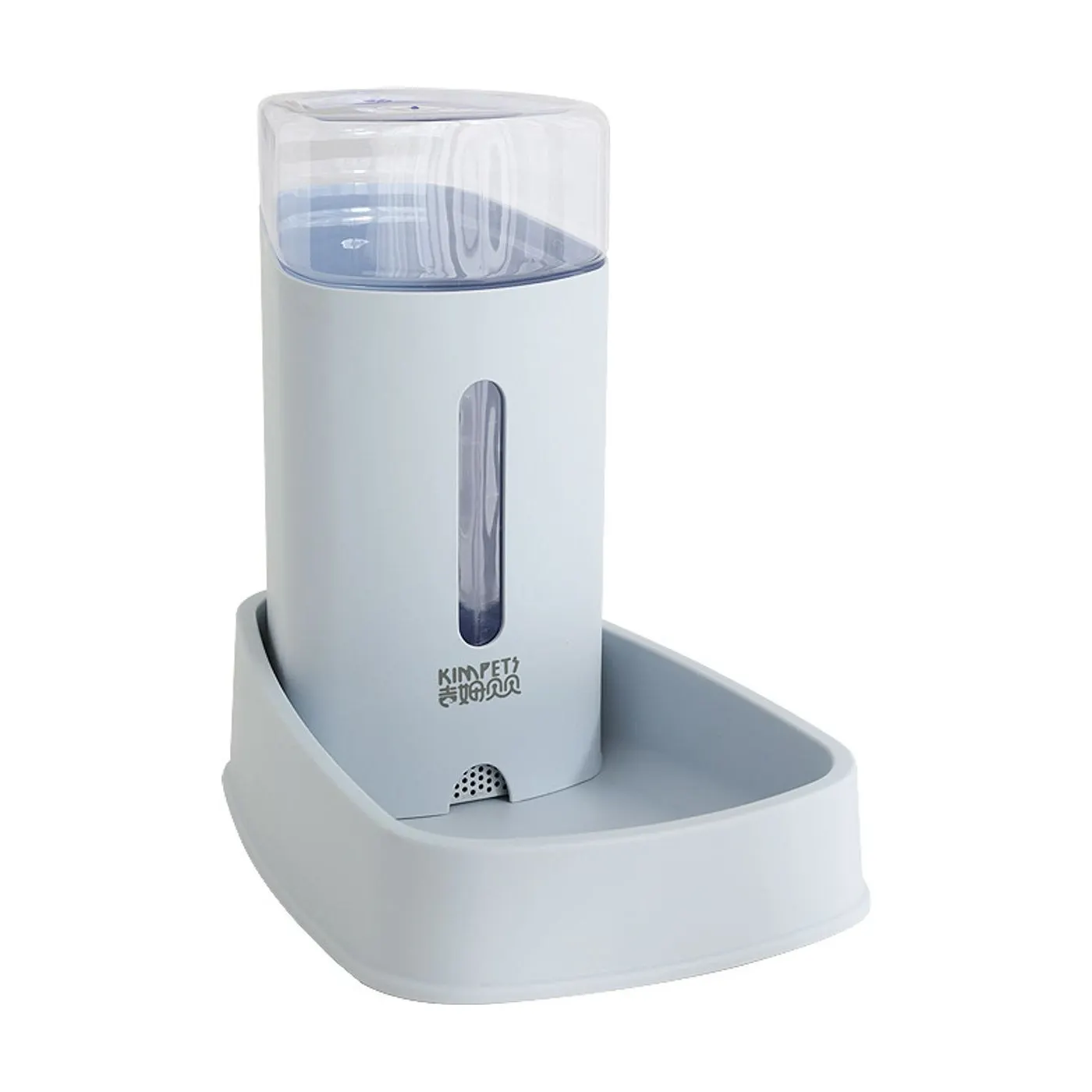
If a cat still won't drink from either a bowl or a fountain, the material can be the issue rather than the water itself. Some cats are sensitive to plastic retaining odours other materials don't, and a handful dislike the sensation of whiskers brushing the sides of a narrow container — a wider, shallower vessel solves that second problem without needing to buy anything electric at all.