National Dog Day, August 26 — where it came from and what to actually do
An unofficial holiday with a real, practical use: a fixed day to check the things that are easy to keep putting off.
National Dog Day, on August 26, is not a government holiday and doesn't come with a day off — it's an awareness day, started to draw attention to dogs in shelters and the number still waiting for adoption. Nobody needs an official calendar entry to appreciate a dog they already have, but the fixed date is genuinely useful for something else: it's a good, memorable trigger for the small maintenance tasks that are easy to keep meaning to do.
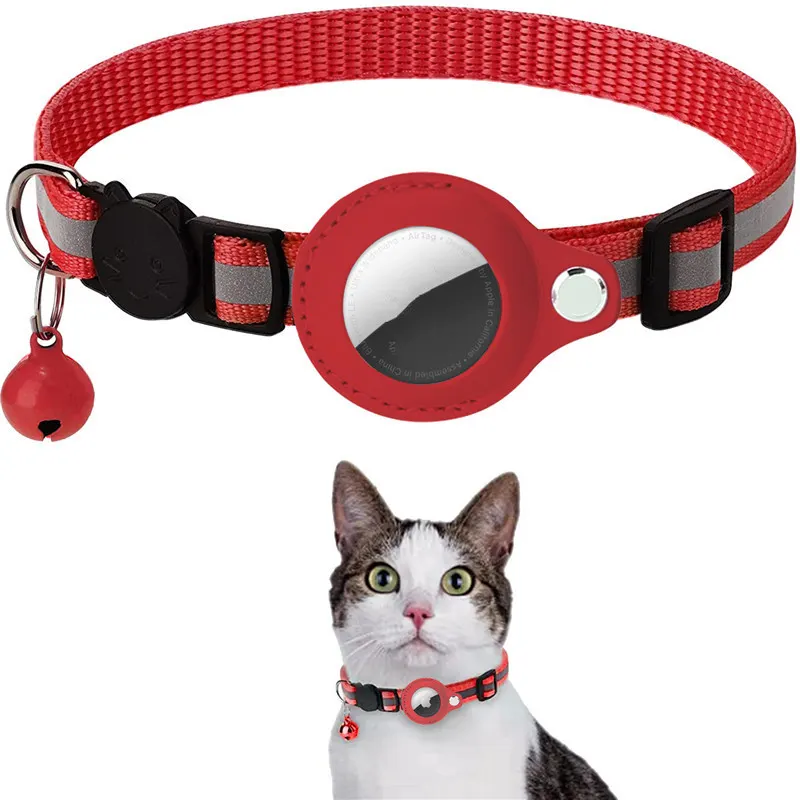
A once-a-year checklist that actually earns its place: check that the microchip details are still current if the dog has moved or changed owners since it was registered. Look at the collar and tag for wear — a name tag rubbed unreadable is only found the day it's needed. Book the vet check that's been "next month" for three months running.
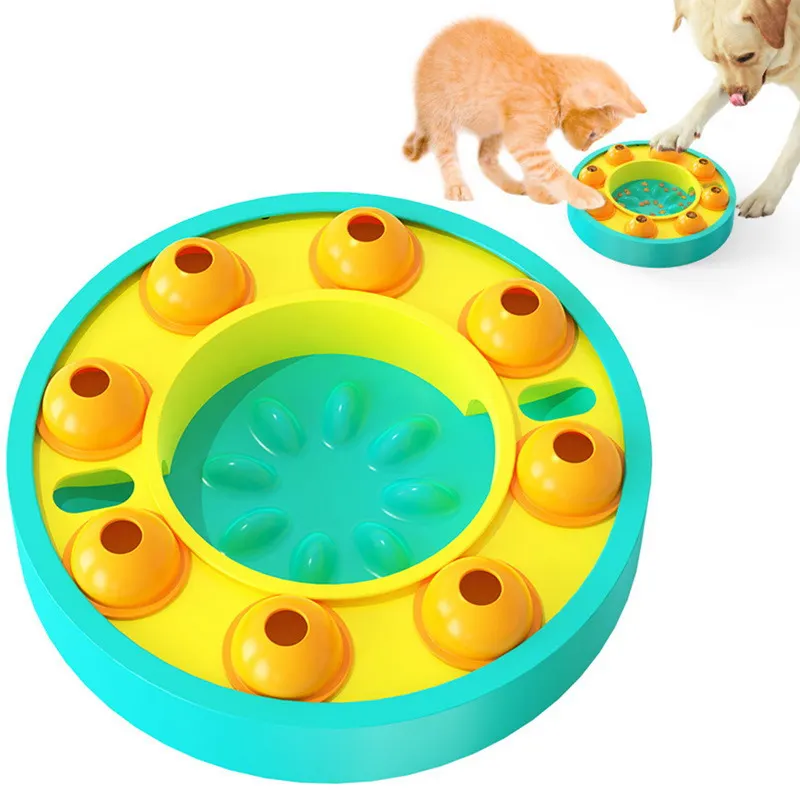
If you want to actually mark the day rather than just use it as a reminder, the honest version is simple: an extra walk somewhere new, a slower dinner through a puzzle feeder instead of a bowl, or a photo actually taken instead of planned. None of it needs to be bigger than that.
The day's original purpose is easy to lose under the checklist above, so it's worth restating: it exists to point attention at the dogs who don't have any of this yet. A local shelter rarely needs another toy donation as much as it needs an afternoon of volunteer time, a foster home for a week, or simply the visibility of someone sharing that a specific dog is still waiting. That's a bigger use of the date than anything a person can do for a dog they already have.
Late August is also still genuinely hot in most places the holiday is marked, which makes it a reasonable prompt to double-check heat basics that get forgotten by the time a routine sets in: a walk timed for early morning or evening rather than midday, pavement tested with a bare hand before assuming it's fine for paws, and water actually carried on longer outings rather than assumed to be available somewhere along the way.
None of this needs to turn into an annual production. The value of a fixed, recurring date isn't the size of what gets done on it — it's that having one memorable day a year to check the small things means they actually get checked, instead of staying on a mental list that never quite gets to the top.