Why more people are choosing a cat over a dog
Cat households have been growing while dog households shrink, especially among renters and remote workers. The reasons are mostly practical, not sentimental.
The shift toward cats isn't really about people loving dogs less. It's about who's doing the adopting, and what their life actually looks like. More people rent instead of own, more people work from a small apartment instead of commuting to an office, and a cat's needs fit that life in a way a dog's often don't — no yard requirement, no midday walk to arrange around a video call, no size limit written into a lease.
Remote work specifically changed the calculation. A dog left alone all day used to be the default; now the same person is home, but still at a desk most of the day. A cat is built for exactly that — independent for long stretches, genuinely affectionate in the gaps, and not offended by a closed office door during a meeting.
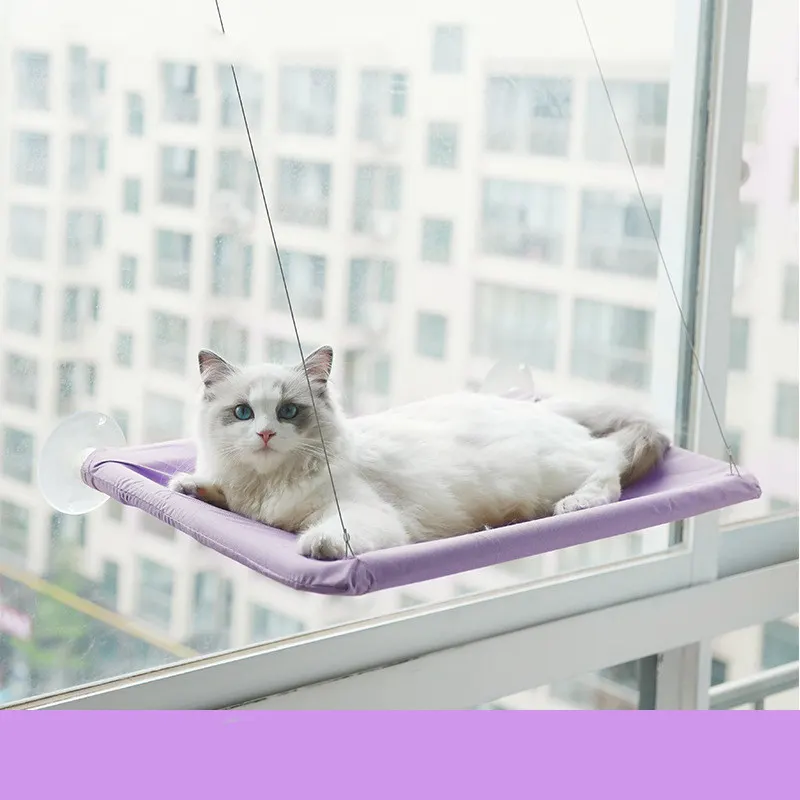
None of this makes a cat a lesser companion, which is a framing that undersells them. It makes a cat the right companion for a specific, increasingly common way of living — and the products built for that life have caught up: window perches instead of yards, puzzle feeders instead of walks, a cat tree instead of a fence.
If you're weighing the two, the honest question isn't "which is a better pet" — it's which one's needs your actual week already has room for.
The everyday cost comparison is real and rarely mentioned upfront. Beyond the food itself, a cat doesn't need a dog walker for a ten-hour workday, doesn't need daycare during a two-week trip in most cases if a neighbour can check in once a day, and doesn't run up the same boarding costs. None of that makes a cat cheaper overall once litter, scratching damage, and vet care are counted — it just moves the spending into different categories than a dog's.
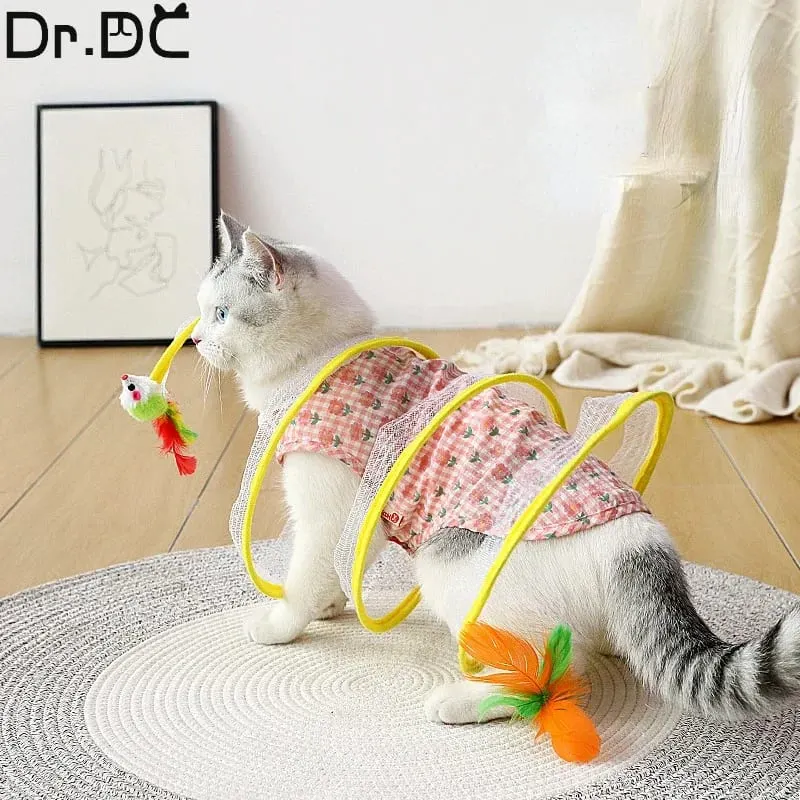
"Low maintenance" is also the most common misreading of what a cat actually needs, and it's worth correcting rather than repeating. A cat that doesn't need three walks a day still needs daily interaction, needs its claws given something appropriate to do or the sofa becomes the target, and needs enough vertical space — a shelf, a tree, a windowsill — to feel like it has some control over its own territory. Skipping all of that doesn't produce a low-maintenance cat, it produces a bored or anxious one that expresses it in ways an owner didn't expect.
The animals that do best in this arrangement are the ones whose environment was actually set up for a cat, not just a smaller version of what a dog would need. A window perch does for a cat roughly what a walk does for a dog — it's not optional scenery, it's the closest substitute for territory a cat living entirely indoors otherwise doesn't get.